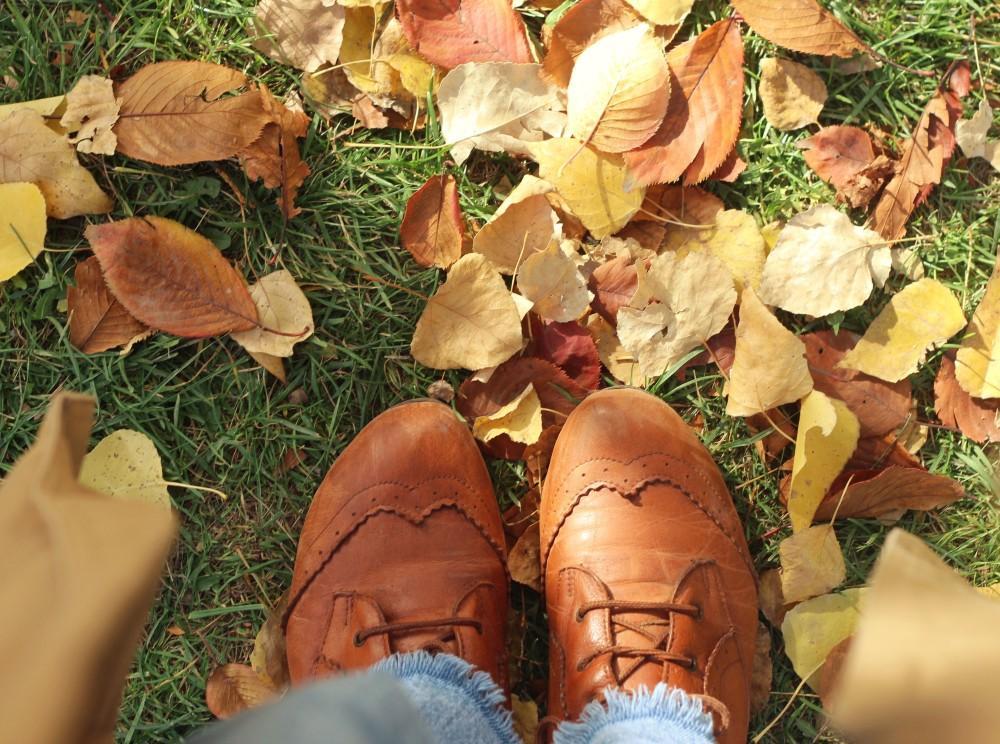
As autumn arrives and crisp weather sets in, it’s time to store away summer footwear and transition back to closed-toe shoes and boots! While this seasonal change is routine for most, individuals living with diabetes need to approach footwear transitions with extra care and attention.
With November being the Diabetes Awareness Month, autumn serves as an ideal reminder to prioritize foot health. One of the most common seasonal causes of diabetic foot complications, including painful pressure ulcers and blisters, is moving abruptly from loose, open-toe sandals into enclosed, supportive footwear.
Why the Fall Transition Poses a Risk
During the warm summer months, feet adapt to the open air and roomier fit of sandals. Moving directly into closed shoes introduces new pressure points, friction, and humidity levels.
For those with diabetes, neuropathy (nerve damage) can reduce sensation in the feet. This means you may not feel:
- Subtle rubbing or friction against your toes or heels.
- A shoe that fits too tightly across the instep or toe box.
- Small debris or seams inside the shoe causing focal pressure.
Without warning pain signals, even a slight area of repeated friction can quickly turn into a friction blister, skin breakdown, or a deep pressure ulcer.
Key Tips for a Safe Transition
To protect your feet from ulcers and complications this fall, follow these podiatrist-approved steps:
1. Inspect Your Shoes Before Wearing
Before slipping into fall shoes for the first time this season:
- Check the lining: Run your hand inside each shoe to check for loose stitching, worn linings, or protruding seams.
- Inspect the soles: Ensure soles are flexible yet supportive with good traction to prevent slips on wet autumn leaves.
- Shake them out: Make sure no small pebbles, grit, or objects are hidden inside.
2. Wear the Right Socks
- Choose moisture-wicking materials: Merino wool, synthetic blends, or bamboo help keep moisture away from the skin. Avoid 100% cotton socks, which trap dampness and increase friction.
- Look for seamless designs: Diabetic socks with flat or non-binding seams minimize pressure points across the toes.
- Avoid tight elastic bands: Socks should stay up without constricting circulation in your calves or ankles.
3. Break in Closed Shoes Gradually
Do not wear a pair of enclosed shoes for an entire day right out of storage. Instead, ease into them:
- Wear closed shoes indoors for 1 to 2 hours at a time over the first few days.
- Gradually increase wear time daily while monitoring your skin closely.
4. Perform Daily Foot Exams
Check your feet every evening when removing your shoes and socks:
- Look for redness, hot spots, swelling, blisters, or skin indentations.
- Use a handheld mirror or ask a family member for assistance if you cannot easily view the bottoms of your feet or heels.
- If a red mark does not disappear within 15–20 minutes after removing your shoes, it indicates excessive localized pressure.
5. Ensure Proper Fit
Foot shape and size can change over time.
- Look for shoes with a wide toe box that allows your toes to lie flat without being squeezed together.
- Ensure there is about a half-inch (thumb’s width) of space between your longest toe and the tip of the shoe.
- Consider custom orthotics or diabetic shoe inserts to evenly distribute pressure across the sole of your foot.
When to Contact Us
If you notice an open skin tear, blister, drainage, or persistent redness that doesn't fade, do not wait for your routine checkup. Early treatment is the single best way to prevent a minor friction spot from developing into a serious diabetic foot ulcer.
Take charge of your foot health this autumn! Schedule a fall diabetic foot evaluation today to ensure your footwear offers maximum protection and comfort as we head into Diabetes Awareness Month. Book an appointment with us online at Arya Foot & Ankle or call us at 602-309-8788. We offer convenient in-house X-ray and ultrasound services, and we're open during lunch hours and most weekdays to accommodate your busy schedule.
Author
 Dr. Shylaja Arya
Dr. Arya is the owner of Arya Foot & Ankle, a podiatry practice that serves the greater Phoenix area with same day, Saturday, and lunch time appointments. She is a level 500 yoga instructor, tennis player, dog mom and shoe lover!